By Zeb Alford
October 2, 2026
A glossy, flawless paint finish is a defining attribute of any well-maintained vehicle. When a car rolls off the assembly line, its exterior surface possesses a deep, reflective luster that catches light evenly across every curve. Over time, however, exposure to daily driving conditions, environmental elements, and routine maintenance habits can cause the clear coat to lose its original brilliance. Car owners often notice fine, web-like scratches covering the surface when viewing their vehicle under direct sunlight or bright artificial lighting. These unsightly micro-abrasions, commonly known as swirl marks, impair the optical clarity of the finish and give the paint an aged, dull appearance.
Restoring a vehicle to its original aesthetic brilliance requires a thorough understanding of how surface imperfections form and how specialized refinishing methods can eliminate them. While many vehicle owners attempt to hide paint defects using temporary glazes or wax coatings, these quick fixes fail to solve the underlying problem. True paint restoration demands systematic defect removal that levels the clear coat and restores true depth to the finish. By exploring the root causes of paint degradation and learning how expert auto detailers repair damaged clear coats, car enthusiasts can make informed decisions regarding their vehicle maintenance routines. Understanding these core principles ensures long-lasting protection and unmatched visual appeal for any automobile.
Understanding the True Nature of Vehicle Swirl Marks
To address clear coat imperfections effectively, vehicle owners must first understand what swirl marks actually are and how they interact with ambient light. Despite their circular appearance under direct illumination, swirl marks are not actually circular scratches. Instead, they are thousands of microscopic, linear scratches etched into the topmost protective layer of the vehicle's paint, known as the clear coat. When sunlight or overhead illumination strikes these tiny, jagged grooves from various angles, the light reflects unevenly off the scratched edges. This multi-directional reflection creates an optical illusion that makes the blemishes appear as interconnected circular patterns across the entire panel.
The clear coat serves as a transparent shield designed to protect the underlying color base coat from ultraviolet radiation, environmental contamination, and minor physical impacts. However, because the clear coat is relatively soft compared to metal or glass, it remains highly susceptible to fine surface scratches. When micro-abrasions accumulate in high density, they prevent light from reflecting straight back to the observer, reducing color depth and gloss. Skilled auto detailers analyze clear coat thickness and scratch depth before performing restorative work, ensuring that defect removal proceeds safely without compromising the protective integrity of the vehicle finish.
Identifying Common Everyday Causes of Clear Coat Imperfections
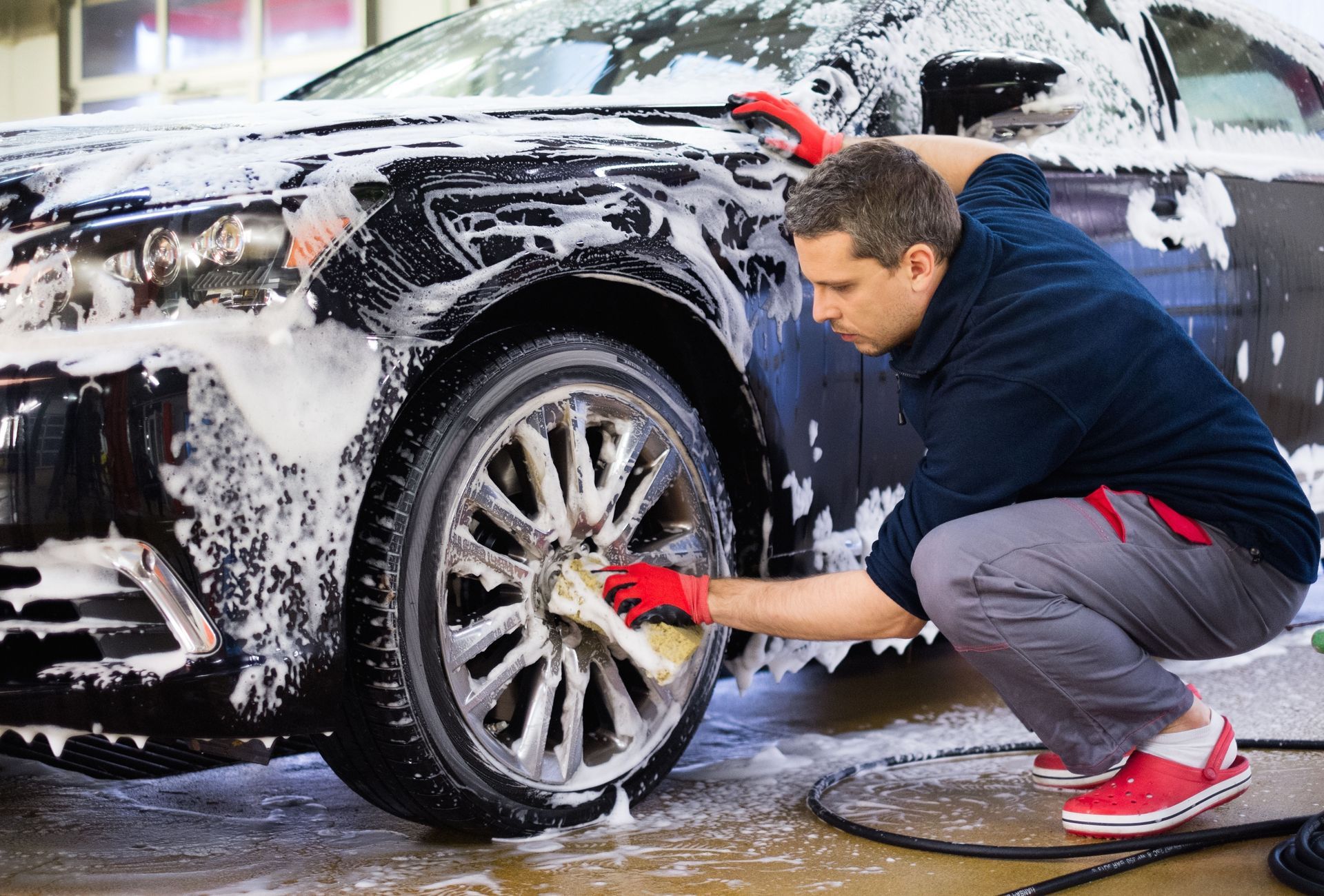
Swirl marks are overwhelmingly created during routine washing and drying procedures when improper techniques or contaminated equipment are utilized. Washing a vehicle with an unseparated wash bucket, a dirty sponge, or low-quality towels drags trapped grit, dust, and microscopic debris across the paint surface. As these sharp particles are pushed along the clear coat, they act like fine sandpaper, etching tiny micro-grooves into the finish. Furthermore, automated drive-through car washes equipped with heavy, rotating cloth brushes are notorious for inflicting severe swirl marks, as those brushes retain abrasive dirt from hundreds of previously washed vehicles.
According to Wifi Talents, Saturday represents the busiest operational day for 70% of detailing shops globally. On busy service days, professional auto detailers frequently inspect vehicles that have suffered cumulative paint damage from improper maintenance habits. Other common causes of clear coat defects include wiping down a dry vehicle with a dusty cloth, resting objects on painted surfaces, and using harsh industrial detergents that strip away protective sealants. Even leaning against a vehicle with abrasive clothing fasteners can inflict noticeable scratches over time. Recognizing these common contamination hazards allows car owners to modify their maintenance habits and prevent unnecessary surface degradation.
Exploring the Process of Professional Paint Correction
Paint correction is a meticulous, multi-step compounding and polishing process engineered to eliminate sub-surface defects permanently rather than merely masking them. Unlike basic waxing, which fills in minor scratches temporarily, paint correction levels the surrounding clear coat until it matches the depth of the deepest scratch. Highly trained auto detailers utilize precision dual-action or rotary polishing machines paired with specialized abrasive compounds and pads to refine the painted surface carefully. By gradually removing a microscopic layer of clear coat, technicians level out the ridges and valleys created by swirl marks, creating a perfectly flat, uniform surface.
The correction process typically begins with thorough decontamination, including chemical iron fallout removal and mechanical clay bar treatment to clear all embedded impurities from the paint pores. Once the surface is completely clean and smooth, technicians perform test passes using various pad and compound combinations to determine the safest and most effective strategy. Multi-stage paint correction involves an initial heavy compounding phase to remove deep scratches, followed by secondary polishing passes that refine the finish and eliminate machine haze. Expert auto detailers carefully measure paint depth throughout each stage to ensure the protective clear coat layer remains robust and durable.
Evaluating the Long-Term Benefits of Correcting Exterior Surfaces
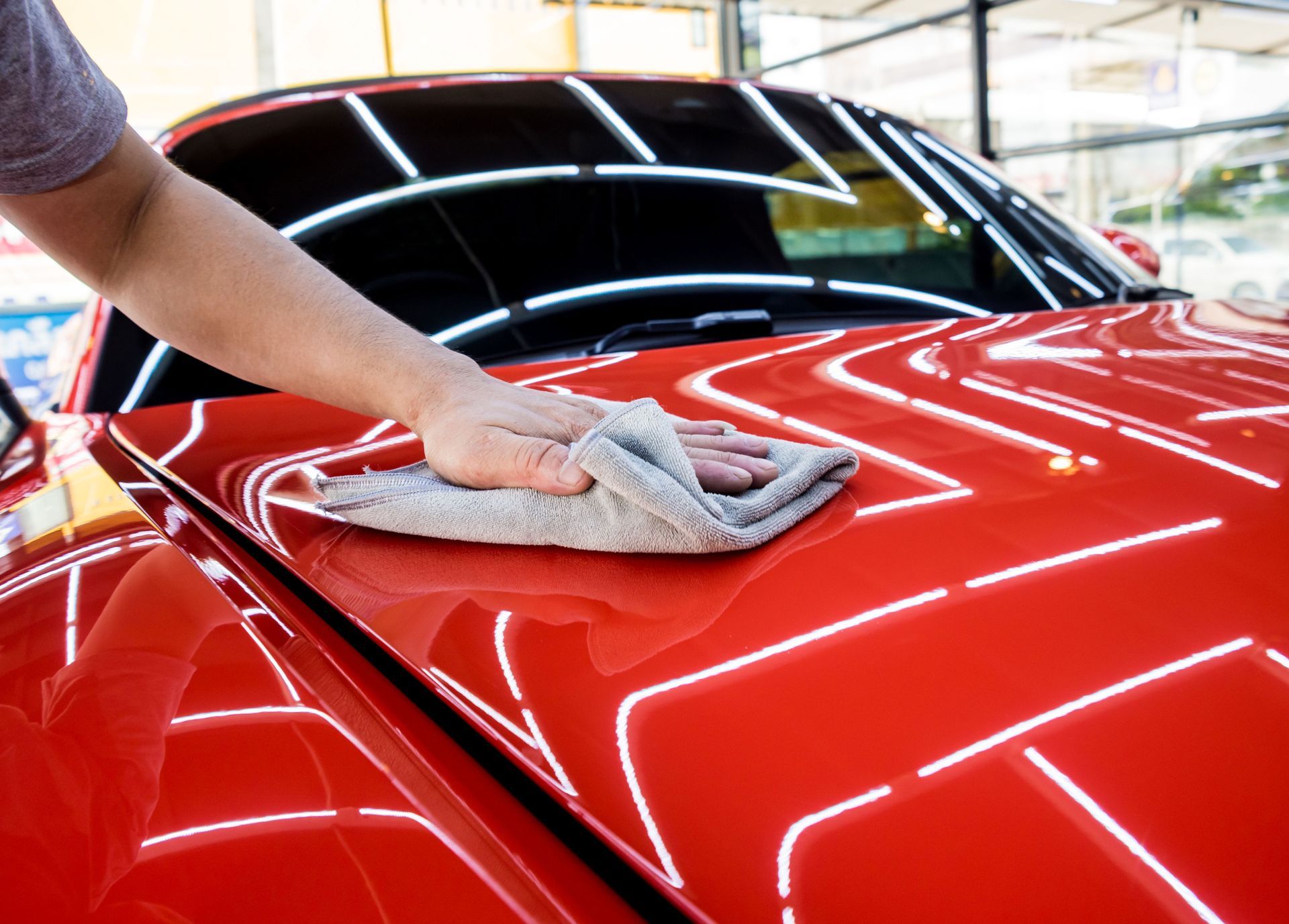
Investing in comprehensive paint correction offers numerous visual and functional advantages that extend far beyond simple aesthetic improvements. The most immediate benefit is the total restoration of deep, mirror-like gloss and vibrant color clarity that makes painted surfaces appear brand new. By eliminating light-scattering micro-scratches, the paint regains its ability to reflect light uniformly, revealing the true richness of metallic flakes and deep color pigments. This dramatic visual transformation enhances overall vehicle presentation and significantly boosts resale value when preparing an automobile for market.
Beyond optical enhancements, corrected paint surfaces provide a far superior foundation for protective coatings and modern synthetic sealants. Smooth, flat clear coat surfaces allow ceramic coatings, paint protection films, and protective waxes to bond much more effectively with the vehicle substrate. Experienced auto detailers emphasize that applying long-term protective sealants over corrected paint locks in the flawless finish while creating a hydrophobic barrier that repels water, road grime, and chemical contaminants. This protective synergy minimizes future dirt adhesion and makes routine maintenance washing noticeably easier and safer for vehicle owners.
Preventing Future Surface Damage Through Proper Maintenance Techniques
Maintaining a flawless finish after completing paint correction requires adopting disciplined, high-quality care protocols during every routine wash cycle. Vehicle owners should transition to the dual-bucket washing method, utilizing a wash bucket dedicated to soapy water alongside a separate rinse bucket equipped with grit guards to clean the wash mitt between panels. Using ultra-soft, high-density plush microfiber towels for washing and drying minimizes friction against the paint and prevents new micro-scratches from forming. Furthermore, applying lubricating quick-detailer sprays when performing spot cleaning prevents dry friction against sensitive clear coat surfaces.
Professional auto detailers also advise vehicle owners to avoid automated brush washes completely, opting instead for touchless options or careful hand washing. Storing vehicles inside climate-controlled garages or utilizing breathable, non-abrasive car covers protects painted panels from airborne fallout, tree sap, and bird droppings. Applying periodic maintenance sprays or booster coatings preserves the hydrophobic surface barrier, ensuring that environmental pollutants slide off effortlessly during cleaning. By pairing professional correction with consistent, proper maintenance habits, car enthusiasts can enjoy a swirl-free, brilliant finish for years into the future.
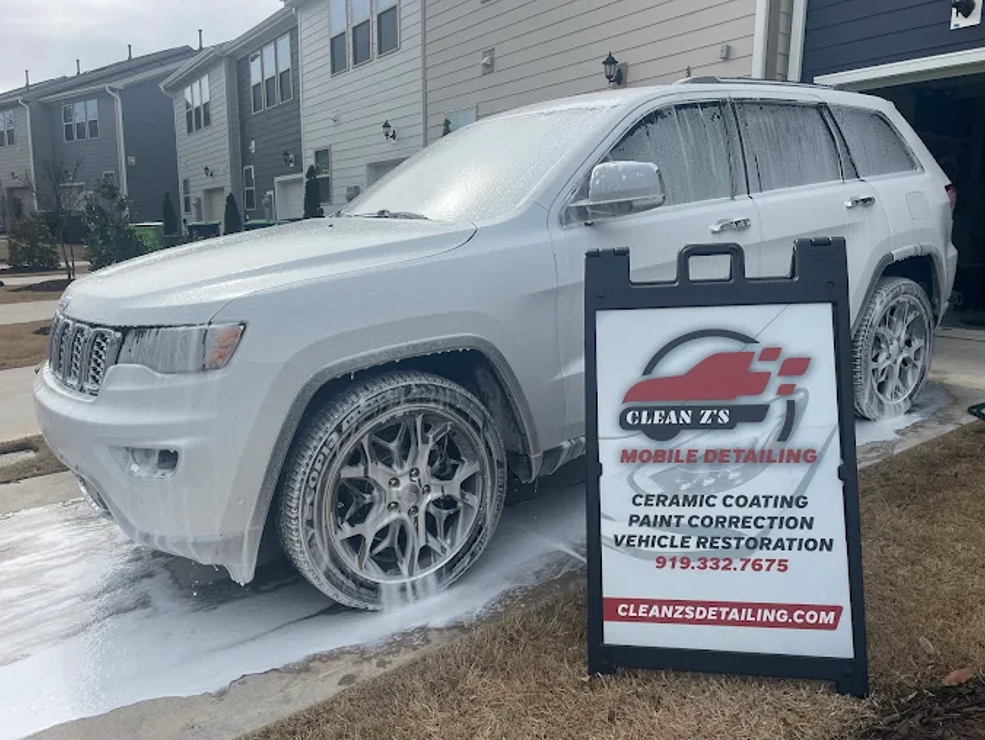
If you are ready for professional paint correction and complete exterior vehicle care, contact us at Clean Z's Mobile Detailing today. We will help you restore your vehicle's original showroom luster and protect its finish with expert care.