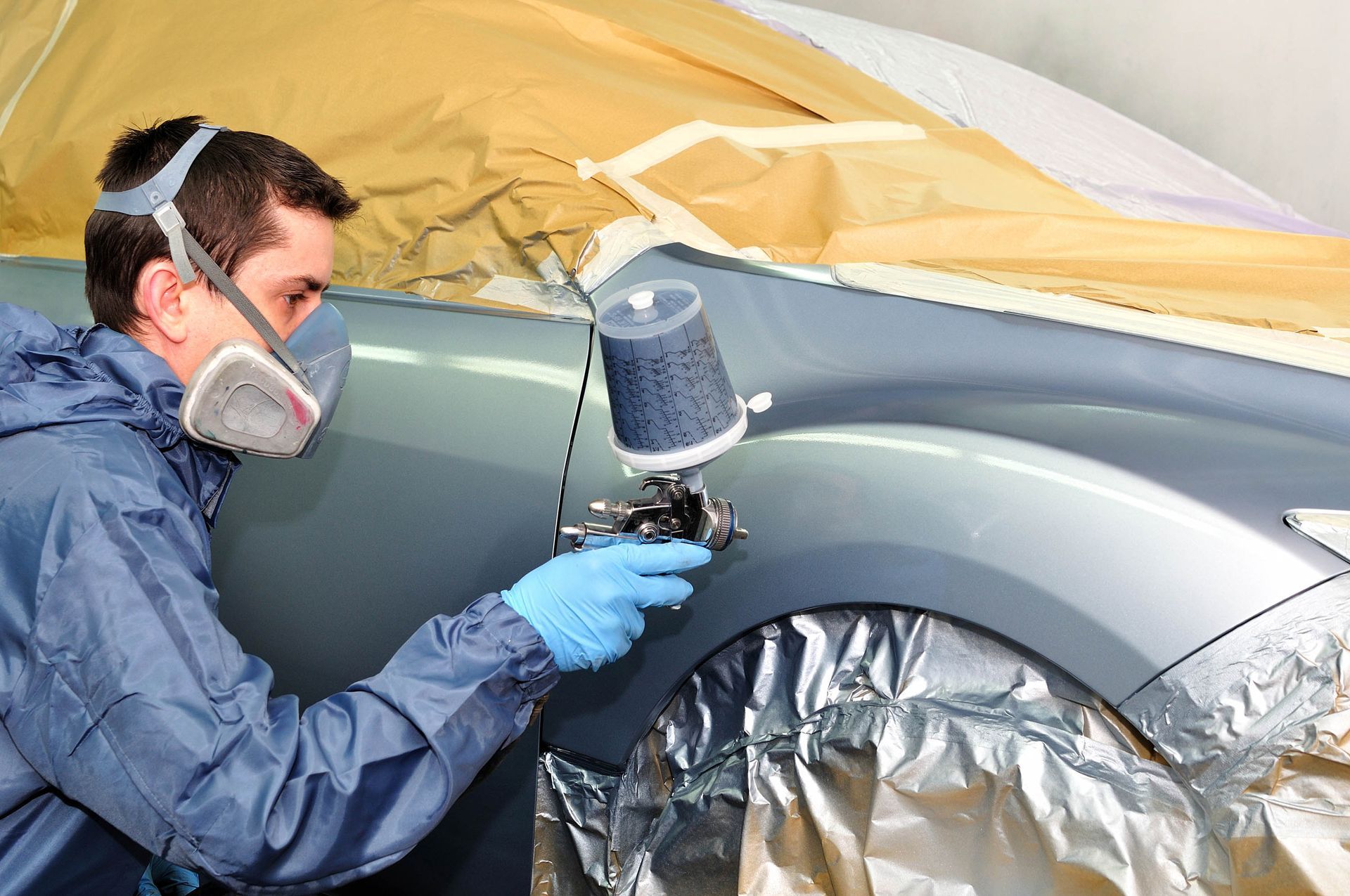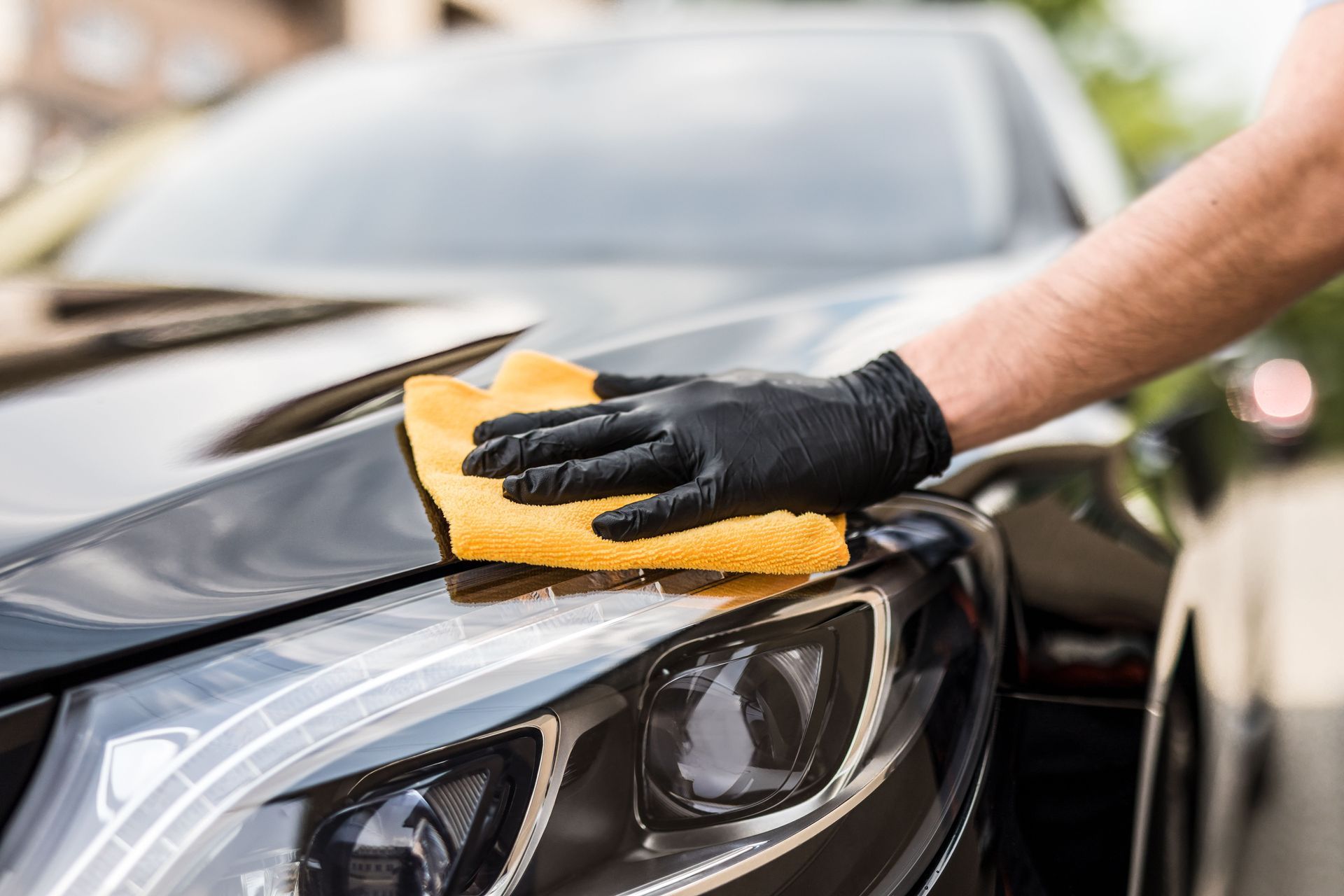
Paint correction is an effective way to restore a vehicle’s appearance by addressing swirl marks, light scratches, oxidation, and other paint imperfections. Over time, sunlight, road debris, and environmental contaminants can diminish a vehicle’s shine. Professional auto detailing helps maintain a clean, polished exterior while improving the overall presentation of a car or truck.
Restoring Your Vehicle’s Shine
One of the primary benefits of paint correction is restoring the gloss and clarity of a vehicle’s paint. Everyday driving exposes vehicles to contaminants and conditions that gradually dull their finish. Professional technicians use specialized polishing equipment and compounds to reduce surface imperfections and bring out the paint’s natural depth.
Paint correction can make an older vehicle look significantly fresher without requiring a complete repaint. Removing visible blemishes creates a smoother surface that reflects light more evenly. When included in a professional auto detailing service, this process can improve the vehicle’s appearance and help it stand out on the road.
Removing Scratches and Swirl Marks
Swirl marks and minor scratches can make otherwise attractive vehicles appear worn or poorly maintained. These imperfections are especially noticeable on darker paint colors because they scatter light and reduce the finish’s clarity. Professional paint correction targets appropriate surface defects to create a more uniform appearance.
The results depend on the depth and severity of the damage. Defects affecting only the clear coat may respond well to correction, while deeper scratches that reach the color coat or underlying metal may require additional repairs. An experienced technician can evaluate the paint and recommend an appropriate service based on its condition.
Vehicle owners seeking auto detailing can benefit from understanding the difference between correcting paint and temporarily concealing imperfections. Polishing products designed to hide scratches may provide short-term visual improvements, but professional correction focuses on refining the affected surface. This approach can deliver a more consistent finish when the paint is suitable for treatment.
Improving Paint Depth and Clarity
Paint depth refers to the rich, dimensional appearance that makes a vehicle’s color look vibrant under different lighting conditions. Contamination, oxidation, and fine surface defects can interfere with that appearance. Paint correction reduces surface imperfections, allowing the original color and gloss to become more noticeable.
This improvement is particularly valuable for vehicles with metallic, pearl, or other specialty finishes. When surface defects are reduced, these finishes can display their color variations more clearly. Professional auto detailing can help restore the visual impact of a vehicle’s paint without changing its original color.
Supporting Vehicle Resale Value
A vehicle’s exterior condition can influence how prospective buyers perceive its overall maintenance. Scratched, faded, or dull paint may create concerns about neglect, even when the vehicle has received regular mechanical care. Paint correction can improve the exterior presentation and help create a more favorable first impression.
Although paint correction does not guarantee a higher resale price, it may help a vehicle appear better maintained when offered for sale. Buyers often consider visible condition alongside mileage, service history, and mechanical performance. A polished exterior can complement these factors and make the vehicle more appealing in a competitive market.
Professional auto detailing can also be useful when preparing a vehicle for a dealership display, private sale, or trade-in evaluation. The appropriate level of correction depends on the vehicle’s condition, age, and expected selling price. Evaluating these factors helps owners determine whether the potential improvement justifies the expense.
Protecting the Finish After Correction
Paint correction primarily improves the surface by reducing imperfections; it does not automatically provide a durable protective barrier. After correction, technicians may recommend a suitable wax, paint sealant, or ceramic coating to help protect the refined finish. These products can provide additional resistance to contaminants, water spots, and environmental exposure.
The right protective option depends on the owner’s expectations, driving habits, and maintenance preferences. Some products provide temporary protection, while others are designed to last longer when properly applied and maintained. Combining correction with an appropriate protective treatment can help preserve the vehicle’s appearance between professional services.
Routine professional auto detailing can also help owners monitor the condition of their vehicle’s exterior. Regular inspections allow technicians to identify developing concerns and recommend appropriate care. Addressing paint issues before they become more pronounced may help reduce the need for more extensive cosmetic work.
Addressing Environmental Damage
Vehicles face numerous environmental challenges, including ultraviolet radiation, airborne pollutants, road grime, and organic contaminants. Over time, these conditions can contribute to fading, staining, and surface deterioration. Paint correction may reduce certain visible imperfections caused by environmental exposure, depending on how deeply the damage has affected the finish.
However, not every stain or mark can be removed through polishing. Severe etching, deep scratches, and damage extending beyond the clear coat may require specialized repair or refinishing. A professional assessment helps establish realistic expectations and prevents unnecessary treatment of paint that cannot safely be corrected.
Choosing professional auto detailing also gives vehicle owners access to services tailored to their vehicle’s condition. Technicians can identify areas that need correction and determine whether additional protection would be beneficial. This individualized approach supports more effective exterior maintenance over time.
Understanding the Role of Technology
Technology continues to influence the automotive appearance industry by improving inspection, service planning, and customer communication. According to Precedence Research, AI is revolutionizing the car detailing service market through automation, precision diagnostics, and enhanced customer service, reducing service times by up to 20%.
These developments can help detailing businesses evaluate vehicle conditions more consistently and organize service processes more efficiently. Technology may also support better communication by helping customers understand recommended treatments and expected results. Nevertheless, experienced technicians remain essential for evaluating paint thickness, selecting suitable correction methods, and recognizing the limitations of each treatment.
As the industry evolves, professional detailing increasingly combines specialized equipment with technical knowledge. This combination helps businesses provide services that reflect the individual needs of different vehicles. Customers can benefit from asking about inspection procedures, available protection options, and the expected results before scheduling a service.
Choosing Professional Paint Correction
Selecting a qualified detailing provider is important because paint correction requires careful judgment and specialized equipment. Excessive polishing can remove too much of the clear coat, potentially compromising the paint’s long-term condition. An experienced professional evaluates the surface before determining the appropriate level of correction.
Vehicle owners should consider the provider’s experience, service descriptions, and approach to protecting delicate exterior surfaces. Clear communication about existing damage and desired results can help establish realistic expectations. It is also helpful to understand whether protective coatings or other finishing treatments are included in the service or offered separately. A newer vehicle with minor swirl marks may require less correction than an older car with extensive oxidation. Matching the service to the paint’s needs helps balance appearance improvements with responsible surface preservation.
Maintaining a Better-Looking Vehicle
Paint correction offers several advantages, from improving gloss and reducing visible scratches to preparing a vehicle for sale. It can also provide a better foundation for protective treatments that help maintain the finish after the correction process. While results vary according to the severity of existing damage, professional treatment can make a noticeable difference in the appearance of suitable paintwork.
For vehicle owners interested in improving their car’s exterior, Clean Z's Mobile Detailing can help them explore professional services suited to their needs. Contact Clean Z's Mobile Detailing to discuss your vehicle’s condition, learn about available auto detailing options, and determine whether paint correction is an appropriate choice for restoring its appearance.