By Zeb Alford
November 3, 2026
Every vehicle owner eventually experiences the sinking feeling of discovering an unexpected mark across an otherwise pristine automotive finish. Whether caused by an errant shopping cart, an overgrown roadside branch, or grit caught in a routine wash mitt, surface blemishes compromise the aesthetic value of an automobile. In an attempt to solve this issue rapidly, many drivers turn to store-bought scratch repair products. Commercial shelves display countless quick-fix compounds, abrasive pads, and scratch-filling pens that promise instant restoration. Unfortunately, using these over-the-counter packages frequently leads to severe, irreversible paint damage. Achieving genuine paint correction requires a deep understanding of automotive clear coats, friction dynamics, and specialized tools. Understanding why a professional auto detailer can safely restore damaged paint highlights why off-the-shelf packages often create bigger problems than the ones they were meant to resolve.
Understanding the Structure of Automotive Paint Systems
Automotive exterior finishes are complex, multi-layered chemical barriers designed to protect the metal body panels beneath them while providing high-gloss visual appeal. Modern vehicles leave the assembly line with three primary layers applied over the primed bare metal or composite substrate: the primer, the base coat, and the clear coat.
Examining the Vulnerability of Clear Coat Thickness
The topmost layer, known as the clear coat, is remarkably thin. On most modern production automobiles, the clear coat measures only between 1.5 to 2 mils thick, which is comparable to the thickness of a standard plastic food wrap or an adhesive note. This delicate polyurethane or acrylic layer contains ultraviolet inhibitors that protect the base color from oxidation and fading. When a surface scratch occurs, it generally compromises this transparent shield.
Because the clear coat is so thin, there is virtually zero margin for error during any abrasion process. Retail kits regularly fail because they treat all automotive finishes as thick, uniform panels. Without precision measurement instruments, an untrained individual rubbing an abrasive pad across a scratch can easily abrade through the entire clear coat. Once the clear coat is removed, the dull base color underneath becomes permanently exposed, requiring a body shop respray rather than cosmetic polishing.
Identifying the Different Depths of Surface Scratches
Scratches generally fall into three distinct categories: light clear coat scratches, deep clear coat abrasions, and deep scratches that reach the primer or metal. Light scratches only affect the superficial surface of the clear coat and can be leveled completely flat through skilled abrasion. Intermediate scratches travel through more than half of the clear coat; while these can be visibly minimized, they must be refined without stripping the remaining protective barrier. Deep scratches that pierce through to the undercoat cannot be buffed away by any mechanical method.
An experienced auto detailer utilizes digital paint depth gauges to measure the exact thickness of the paint before touching the vehicle. This non-invasive assessment allows the specialist to determine whether there is sufficient clear coat remaining to safely level the imperfection. Over-the-counter repair products provide no diagnostic tools or safety thresholds, leading consumers to aggressively rub areas where paint depth is already dangerously compromised.
Analyzing Why Commercial Scratch Packages Fail
Off-the-shelf scratch repair packages promise universal results for any paint type, vehicle model, or color. However, automotive finishes vary widely across manufacturers; European vehicles often feature exceptionally hard ceramic clear coats, while many Japanese models utilize noticeably softer finishes. A generic package cannot account for these metallurgical and chemical variances.
Addressing Uncontrolled Abrasives and Swirl Marks
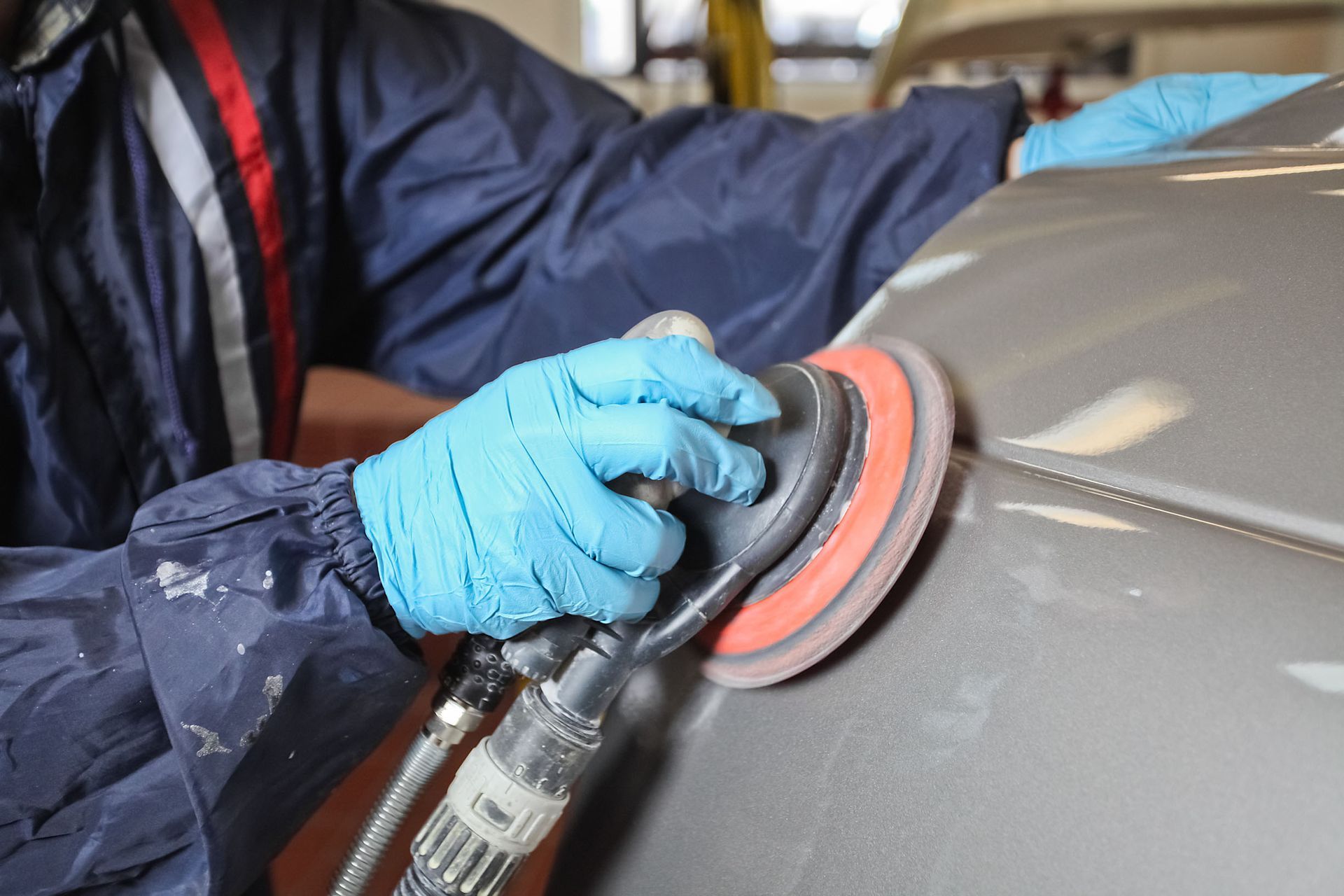
Most store-bought kits rely heavily on aggressive cutting compounds paired with coarse hand-application pads. Because these formulations are designed to produce an immediate visual change, they often use cheap, unrefined abrasives that act like coarse sand. Applying these pastes by hand concentrates uneven pressure across the fingertip contact points.
Instead of leveling the clear coat evenly, this focused manual friction scores hundreds of micro-grooves into the finish. The initial scratch may appear less noticeable simply because it is now surrounded by a dull, hazy patch of micro-marring and rotational swirl marks. This dull spot scatters sunlight unevenly, completely extinguishing the mirror-like reflection of the panel.
Exposing Temporary Fillers and Artificial Masking Agents
Many consumer-grade repair liquids do not eliminate scratches at all. Instead, they rely on silicones, heavy mineral oils, and wax emulsions designed to sit inside the scratch cavity and temporarily conceal the groove. While the vehicle may look better under artificial garage lighting immediately after application, these fillers wash away after a rainstorm or standard exterior wash. Once the fillers dissolve, the original scratch reappears, accompanied by the additional haze caused by the abrasive application.
According to Fortune Business Insights, the global car detailing service market is projected to expand from $38.93 billion in 2025 to $56.59 billion by 2032, exhibiting a compound annual growth rate of 5.5% during this projection period. This substantial market growth reflects how vehicle owners increasingly recognize that specialized care and systematic methods are essential for properly maintaining modern vehicle surfaces over time.
Exploring the Technical Methods of Professional Paint Correction
True paint correction is a delicate process of leveling the clear coat microscopically until the valley of the scratch matches the height of the surrounding clear coat. Rather than masking the issue, a professional auto detailer eliminates the blemish permanently while maintaining maximum clear coat integrity.
Utilizing Dual-Action Polishers and Temperature Regulation
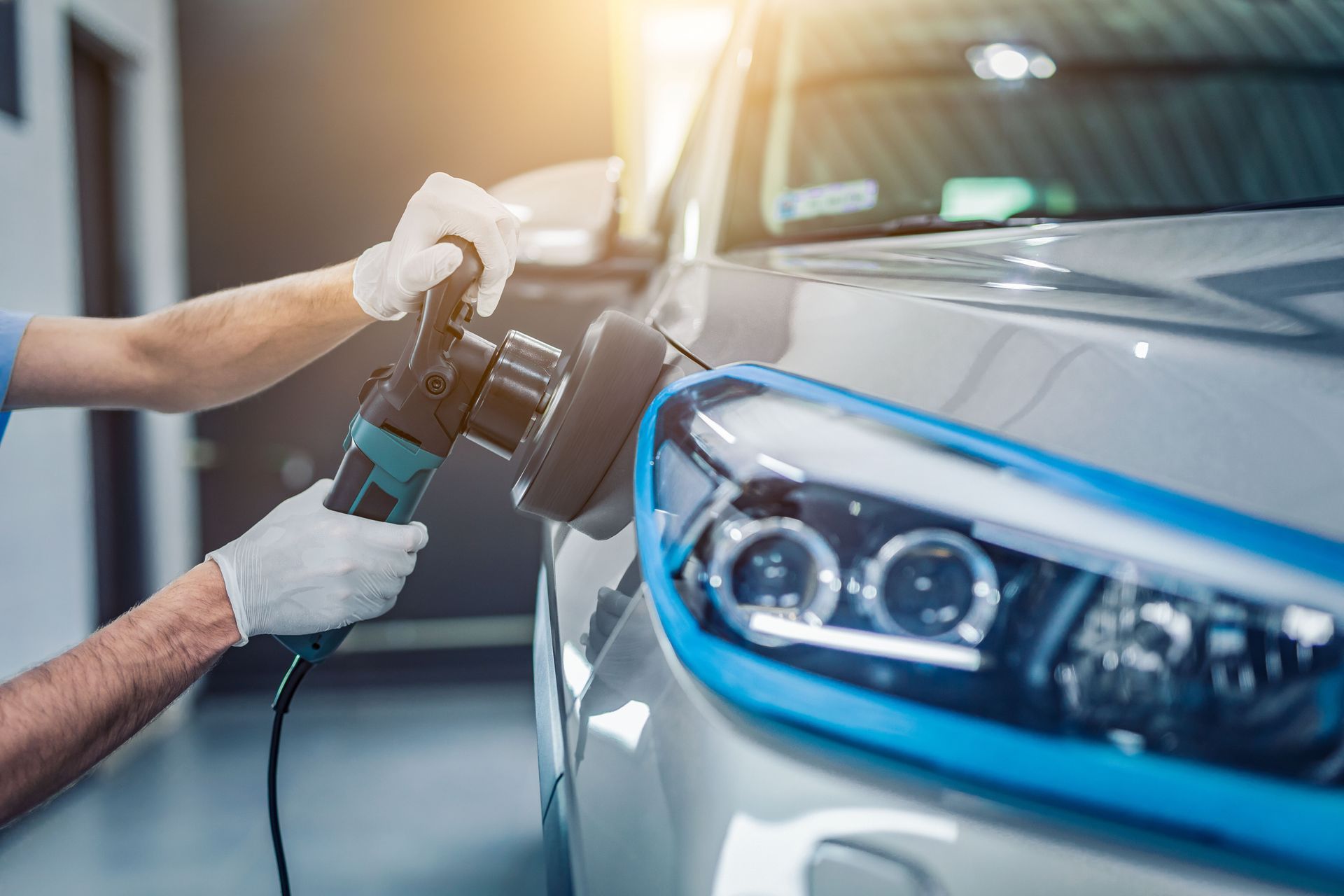
A professional auto detailer uses advanced dual-action or rotary polishing machines designed to distribute friction across an engineered orbit. Dual-action machines oscillate and rotate simultaneously, dissipating thermal buildup and preventing the burning of the clear coat. Excessive friction creates high heat, which can easily soften paint, soften factory edges, and peel clear coat away from plastic bumpers.
Technicians understand how to adjust machine rotation speed, arm movement, and pad pressure dynamically based on real-time surface temperature. By controlling thermal energy, the auto detailer safely achieves true microscopic leveling without introducing holograms or heat damage to adjacent panels.
Selecting Diminishing Abrasives and Calibrated Pads
Rather than relying on one-size-fits-all pastes, an auto detailer maintains an extensive array of pad materials and diminishing abrasive liquids. Diminishing micro-abrasives start with a gentle cutting capability that gradually breaks down into fine polishing particles under machine movement. This engineered breakdown ensures that as the scratch is safely leveled, the compound polishes out its own marks in the same pass.
Pads are carefully matched to the paint hardness and condition. A firm micro-fiber or closed-cell foam pad may be chosen for initial leveling, followed by ultra-soft open-cell finishing foam to bring the surface to absolute clarity. This systematic multi-stage progression restores an unblemished, crystal-clear reflection that no hand package can replicate.
Protecting the Paint Finish After Scratch Removal
Once the defect has been properly removed, the remaining paint surface requires immediate protection. Because mechanical leveling removes a microscopic portion of the clear coat, replenishing the protective properties of the exterior finish is an essential concluding step in any high-level exterior care routine.
Applying Durable Surface Sealants and Ceramic Coatings
Following complete paint correction, a skilled auto detailer will decontaminate the panel to strip away any remaining polishing oils, ensuring the bare clear coat is completely clean. The specialist then applies a professional-grade ceramic coating or durable sealant. These advanced coatings create a semi-permanent ceramic layer that bonds with the microscopic pores of the clear coat.
This supplementary sacrificial layer shields the paint from environmental hazards, harsh wash chemicals, bird droppings, acids, and excessive sun exposure. By locking in the corrected paint beneath a protective barrier, the vehicle retains its deep, glossy luster while remaining far more resistant to superficial marring in the future.
Restoring Exterior Automotive Value Through Expert Care
Attempting to resolve paint imperfections with off-the-shelf bottles and abrasive sponges often turns a minor cosmetic blemish into an expensive body repair. Modern vehicle finishes are delicate, highly engineered coatings that require measured diagnostic assessments, calibrated machinery, and refined chemical compounds. Entrusting your vehicle to a trained
auto detailer guarantees that defects are corrected permanently while preserving the essential clear coat layer underneath. To restore your vehicle's gloss and keep your exterior finish looking showroom-ready, explore the convenient mobile solutions available at Clean Z's Mobile Detailing.