In this article, we delve into the fascinating science behind auto ceramic coatings, exploring their composition, benefits, and application processes. We'll unravel the mystery of how these coatings work and why they're increasingly popular among car enthusiasts. As a surface treatment, ceramic coatings provide a durable protective layer that offers superior performance compared to traditional waxes and sealants. Understanding these details will equip readers with the knowledge to make informed decisions about car care solutions.
The Basics of Auto Ceramic Coatings
Definition and Purpose
Auto ceramic coatings are liquid polymer solutions that bond chemically with a vehicle's factory paint to create a protective layer. Their primary purpose is to protect the car's exterior from environmental damage and enhance the vehicle's aesthetics. The protection provided by ceramic coatings shields the paint from harmful UV rays, bird droppings, tree sap, and other contaminants. Additionally, the coatings offer a high-gloss finish that enhances the visual appeal of the car. Through this high-tech protection, ceramic coatings ensure that a vehicle retains its showroom finish across various conditions.
How Ceramic Coatings Work
Ceramic coatings work by creating a strong, chemically resistant surface layer on the vehicle's exterior. When applied, the liquid polymer reacts with the paint's surface to form a layer that is significantly harder and more durable. This layer is resistant to chemical etching, UV damage, and minor abrasions, offering a fortified shield against the elements. The water-repellent nature of the coating helps to reduce water spots and mineral deposits, making cleaning easier and maintenance less frequent. The overall effectiveness of a ceramic coating is enhanced because it forms a flat, even surface that eliminates microscopic valleys in the paintwork.
Comparison with Traditional Waxes and Sealants
Traditional waxes and sealants provide a temporary barrier that requires frequent reapplication to maintain protection. In contrast, ceramic coatings offer a more permanent solution with years of longevity. While waxes generally wear off after a few weeks or months, ceramic coatings can last several years under proper maintenance. They withstand harsher conditions better, such as intense sunlight and acidic compounds, which would degrade waxes more quickly. This durability means that although ceramic coatings are initially more expensive, they offer a better long-term investment in preserving the car's exterior.
The Technology Behind Ceramic Coatings
Hydrophobic Properties
The hydrophobic properties of auto ceramic coatings stem from their technological composition, which causes water to bead and roll off the surface effortlessly. This happens because the coating creates a low surface energy barrier that repels water molecules effectively. As a result, water, dirt, and grime have a harder time adhering to the surface, making the car easier to clean and maintain. The hydrophobic nature not only keeps the car looking cleaner but also helps prevent water streaks and spotting, enhancing both performance and appearance. The maintenance of a ceramic-coated vehicle is further simplified by its protective, water-repellent quality.
UV Resistance
UV resistance is a significant feature of ceramic coatings, providing a barrier against the sun’s harmful rays. This resistance prevents the oxidation and fading of the vehicle's paint, which can occur with prolonged UV exposure. By reflecting UV light, ceramic coatings maintain the vibrance and depth of the car’s color, safeguarding against the bleaching effect of the sun. The reflective properties of the coating also help in reducing heat absorption on the vehicle's surface. Therefore, not only does UV resistance contribute to aesthetic preservation, but it also plays a role in protecting the structural integrity of the paint.
Thermal Resistance
Auto ceramic coatings exhibit impressive thermal resistance, allowing the coating to withstand high temperatures without degrading. This thermal stability ensures that even under extreme heat, the coating maintains its protective integrity. The benefits of thermal resistance are particularly noticeable in environments with intense sunlight or high engine temperatures. By preventing thermal breakdown, ceramic coatings help preserve the long-term finish and durability of the vehicle's paintwork. It signifies not just physical protection, but also a contribution to the maintenance of the vehicle's overall aesthetics.
The Application Process of Ceramic Coatings
Surface Preparation
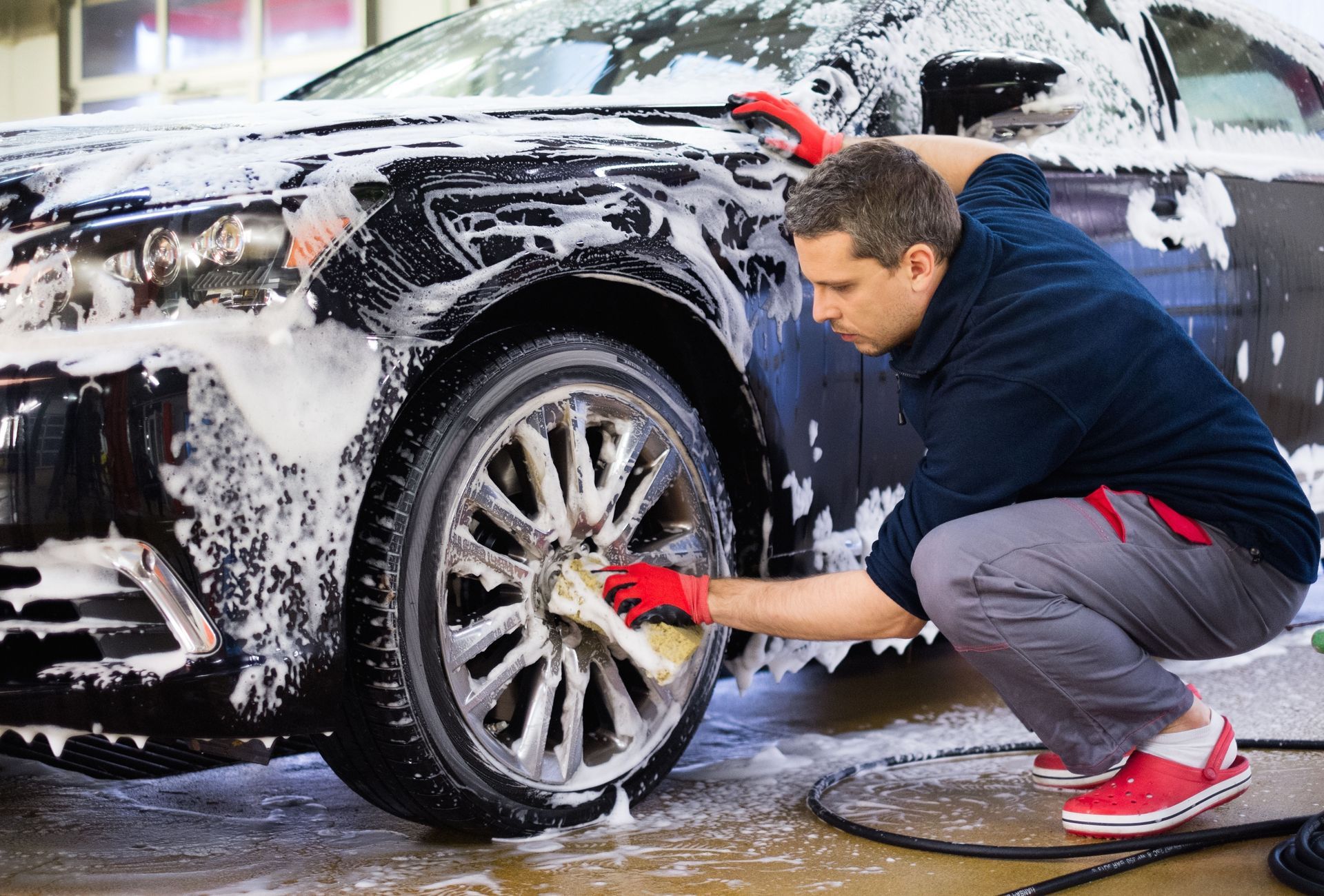
The process of applying auto ceramic coatings requires meticulous surface preparation to ensure a perfect bond. This preparation involves cleaning, decontaminating, and sometimes polishing the paint to remove any impurities that could hinder the coating’s adhesion. According to Feynlab.com, detailing work should be conducted in a temperature controlled environment, ideally between 60-80°F with moderate humidity. By preparing the surface adequately, the chances of achieving a seamless, durable coating are significantly increased. Proper preparation makes a crucial difference between a flawless finish and a suboptimal one.
Application Techniques
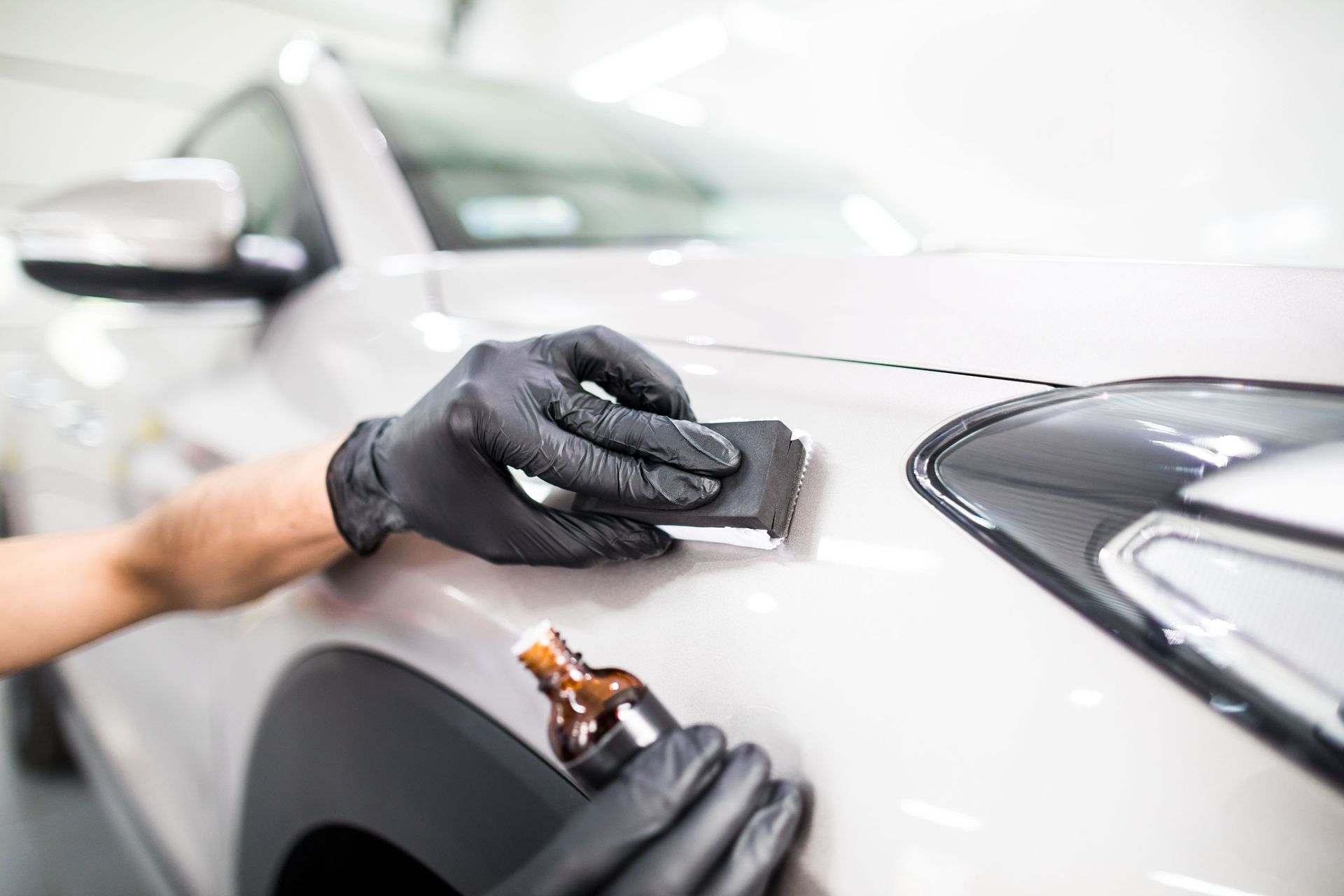
Applying auto ceramic coatings can be done using various techniques, each method chosen based on the desired outcome and skill level. The most common technique involves applying the coating with an applicator pad, working in small sections to ensure even coverage. Another method involves spray application, which requires specialized equipment to distribute the coating uniformly. Given the precision required, professionals are often preferred to execute this task, though some DIY kits are available for enthusiasts willing to tackle the task. The technique chosen can affect the overall performance and longevity of the coating.
Curing Process
The curing process is an essential step that influences the ultimate performance of ceramic coatings. Once applied, the coating typically requires a period to cure fully during which the chemical bonds strengthen and harden the protective layer. The curing time varies depending on environmental conditions such as temperature and humidity, and it can range from a few hours to several days. During this period, the vehicle must be kept dry and free from contaminants to ensure optimal results. Proper curing secures the coating’s protective qualities, ensuring the enhancement and longevity promised by the treatment.
The Benefits of Auto Ceramic Coatings
Aesthetic Appeal
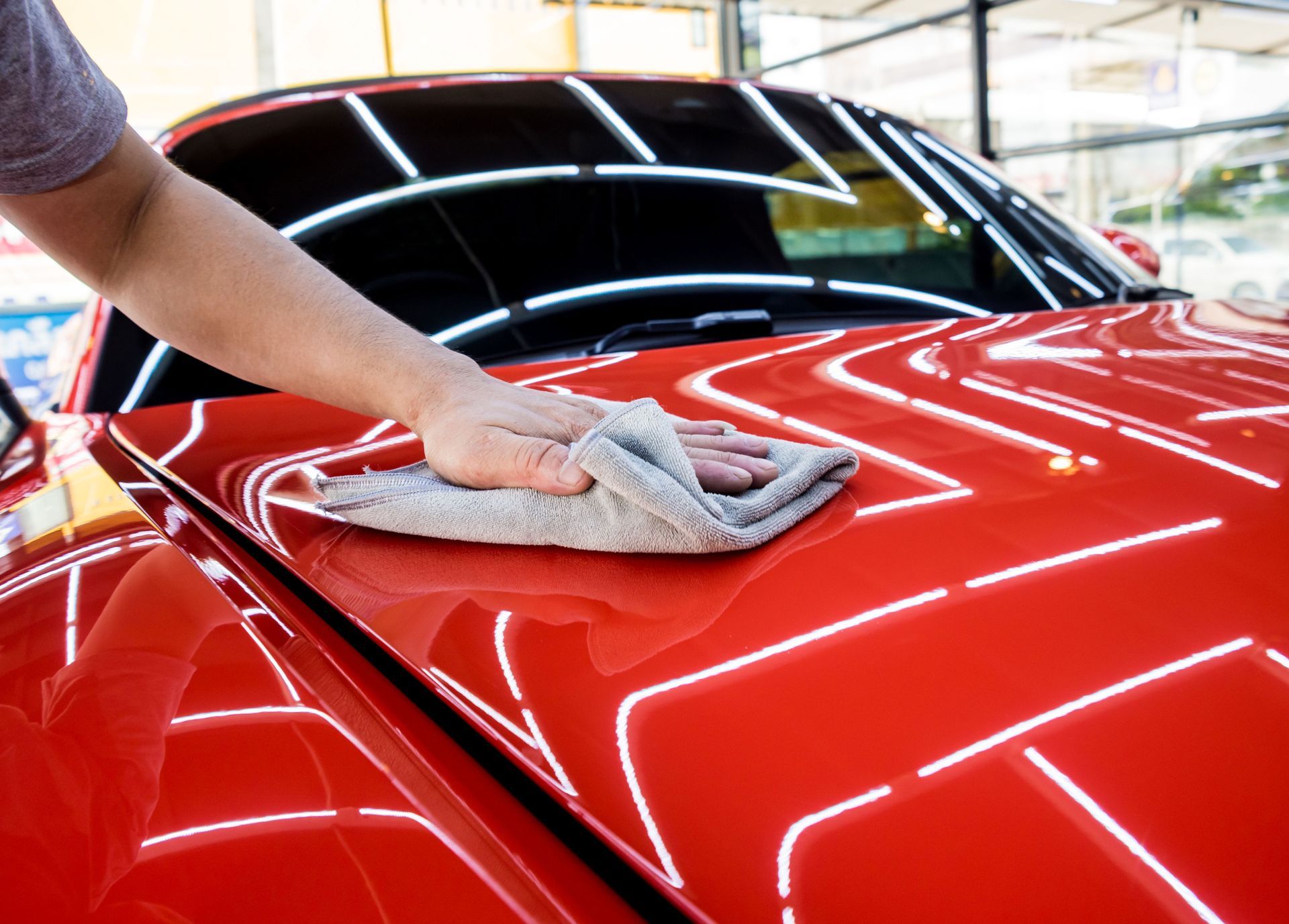
Ceramic coatings enhance the aesthetic appeal of a car far more than traditional waxes and sealants. They provide a deep, glossy finish that amplifies the intensity of a vehicle's paint color and overall appearance. The smooth surface reduces visual blemishes and gives the car a mirror-like shine that is virtually unrivaled. Due to the hydrophobic properties, dirt and grime wash off easily, allowing the car to maintain its showroom-like appearance. The aesthetic upgrade offered by ceramic coatings not only increases owner pride but also turns heads on the road.
Longevity and Durability
Ceramic coatings are celebrated for their longevity and durability, often lasting years without needing reapplication. Unlike traditional wax that may wear off after a few months, ceramic coatings adhere strongly to the paint, forming a resilient layer. This durable bond makes ceramic coatings capable of enduring challenging conditions such as harsh sunlight, rain, and pollution. The coating's ability to withstand such conditions reduces the frequency of extensive maintenance required to keep a vehicle looking pristine. Ultimately, the long-lasting nature of ceramic coatings makes them a wise investment for those seeking enduring car paint protection.
Environmental Resistance
Another significant benefit of auto ceramic coatings is their strong environmental resistance, which makes them suitable across diverse climates. They protect against contaminants like bird droppings, sap, acid rain, and road salts, all of which can cause permanent damage to unprotected paint. In colder climates, the coatings offer superior resistance to road salts and sand, which can lead to premature rusting. In addition, the coating’s protective capabilities help withstand acidic elements, maintaining the sheen and integrity of the car's paint. Through these resistive properties, ceramic coatings offer universal appeal that enhances vehicle resilience irrespective of geographic location.
Auto ceramic coatings represent a major technological leap forward in vehicle care, transforming paint preservation from a repetitive chore into a long-term protective strategy. By leveraging chemical bonds to create a highly resilient, semi-permanent shield over a vehicle's factory paint, these liquid polymers offer an uncompromising defense against UV oxidation, thermal stress, and corrosive environmental contaminants that easily destroy traditional waxes. Investing in ceramic coating technology allows car enthusiasts and everyday drivers alike to transcend temporary aesthetic fixes and embrace a modern standard of automotive preservation that keeps a vehicle looking showroom-ready for years to come. To learn even more about the process or schedule a coating on your vehicle, reach out to the pros over at Clean Z's Mobile Detailing today.